



Landfills are a significant source of methane, a greenhouse gas that is 21 times more powerful than carbon dioxide in contributing to climate change. Traditionally, methane is flared off or left to escape into the atmosphere, but at Portage Power, we have a better solution.
Our landfill gas-to-energy (LFGE) plants capture this methane and convert it into renewable electricity, reducing emissions and helping power communities.
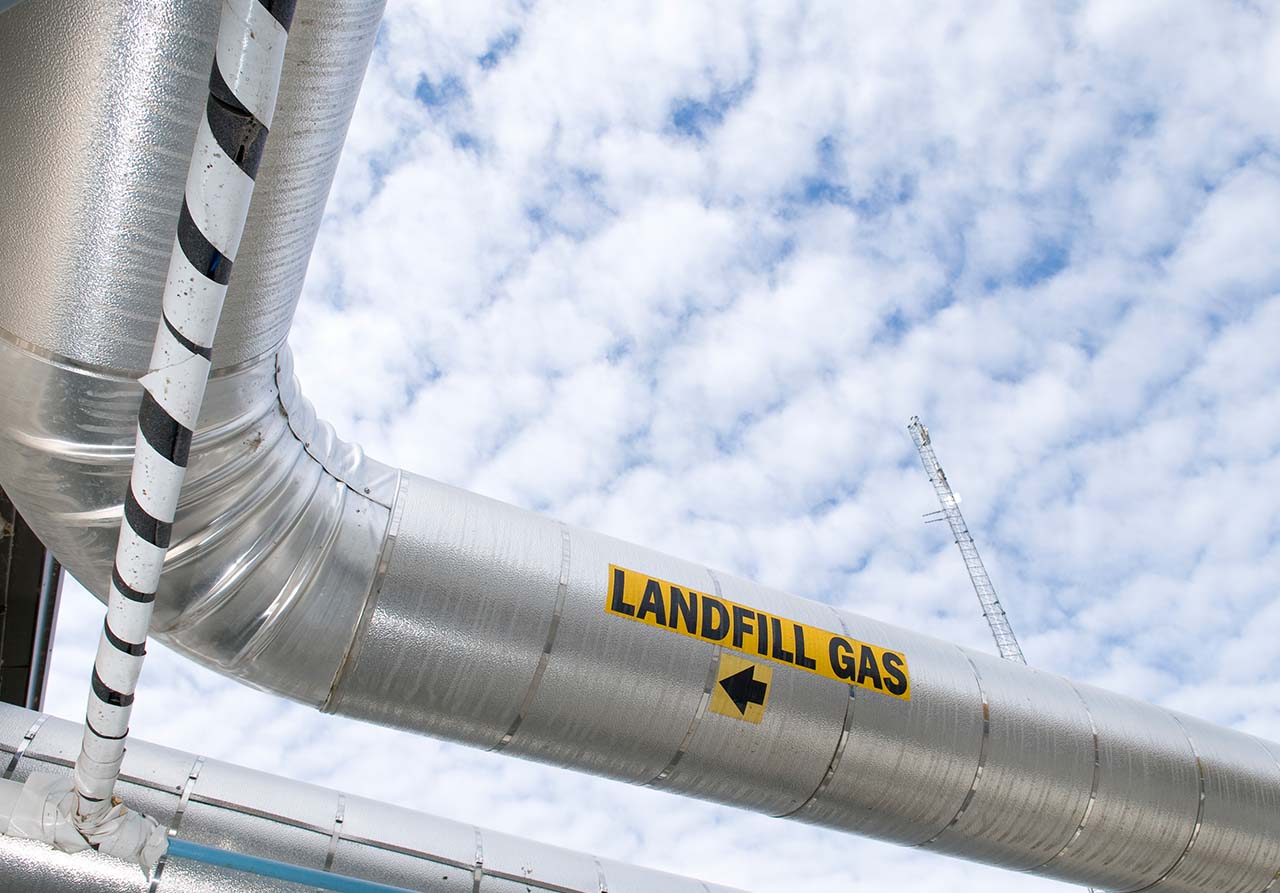
HOW IT WORKS:

GAS COLLECTION
As organic waste decomposes, it produces methane. To prevent it from escaping, we install wells and pipes that capture the gas and transport it to our energy facilities.

GAS PROCESSING
The methane is processed to remove moisture, carbon dioxide and other impurities. This treatment ensures the gas is stable and ready for the next step.

CONVERSION TO ELECTRICITY
The purified methane is burned in gas engines or turbines to create mechanical power. This power drives generators that produce electricity and send it to the grid.

ENERGY DISTRIBUTION
The electricity generated is distributed through the grid, providing renewable energy to homes and businesses, helping reduce reliance on fossil fuels.
ENVIRONMENTAL BENEFITS:

RENEWABLE ENERGY
Landfills account for approximately 20 per cent of methane emissions in Canada. Our landfill gas-to-energy plants turn methane gas into renewable energy while reducing greenhouse gas emissions.

SUSTAINABLE COMMUNITIES
Landfill gas-to-energy not only produces sustainable, renewable energy, it helps to reduce odour, migration of landfill gases and greenhouse gas emissions while offsetting energy production by other means.
Horizontal Line (Gradient)
Our impact:
10.2 MEGAWATTS OF SUSTAINABLE ENERGY
Portage Power’s landfill gas-to-energy plants generate 10.2 megawatts of renewable energy—that’s enough to power 10,000 homes every year. By turning waste into renewable energy, we’re helping to power communities and protect the environment.
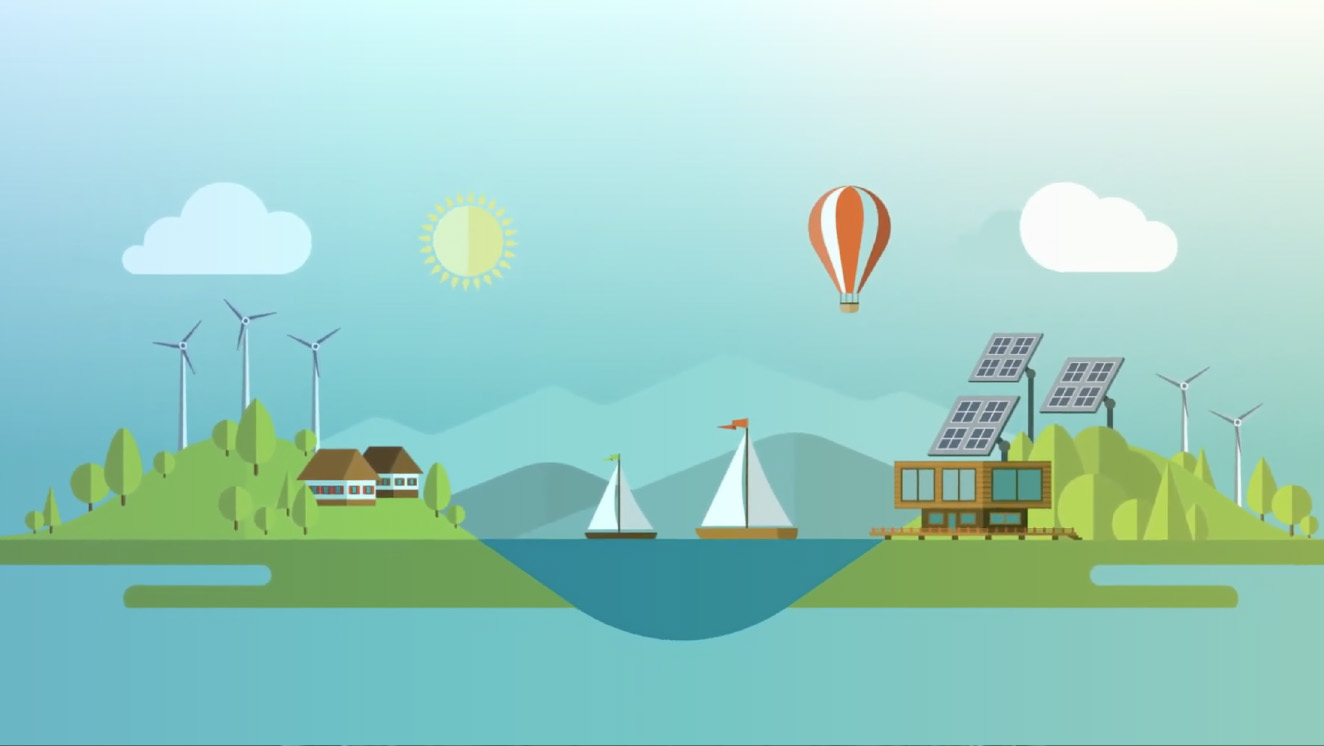

OUR LANDFILL GAS-TO-ENERGY PLANTS
We operate two major landfill gas-to-energy facilities in partnership with Integrated Gas Recovery Services. These plants are at the forefront of renewable energy production, reducing emissions while supplying renewable electricity to consumers.
TRAIL ROAD LANDFILL GENERATING FACILITY
Constructed at the City of Ottawa’s Trail Road Landfill, the plant prevents harmful gas from being released into the atmosphere by converting millions of previously flared-off methane gas into renewable energy.
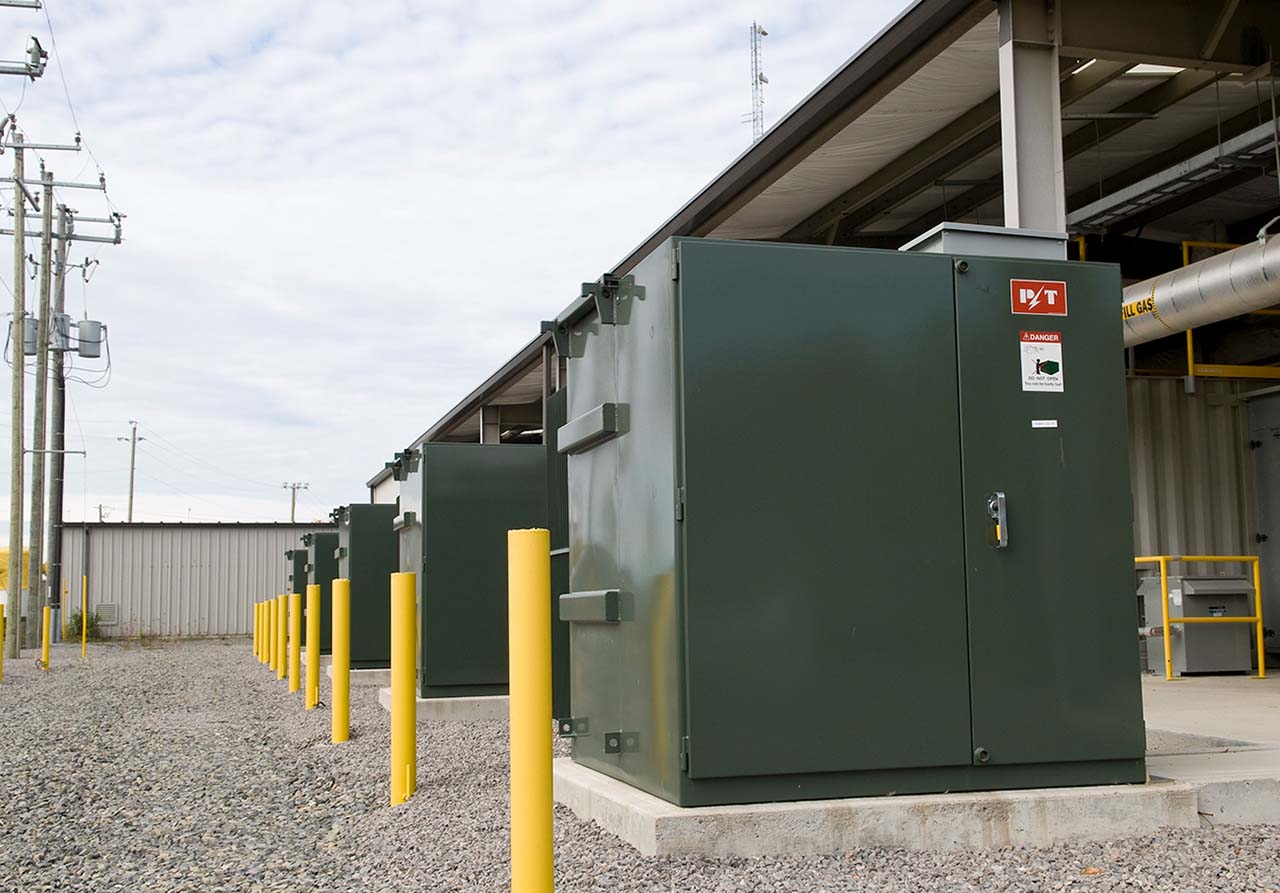

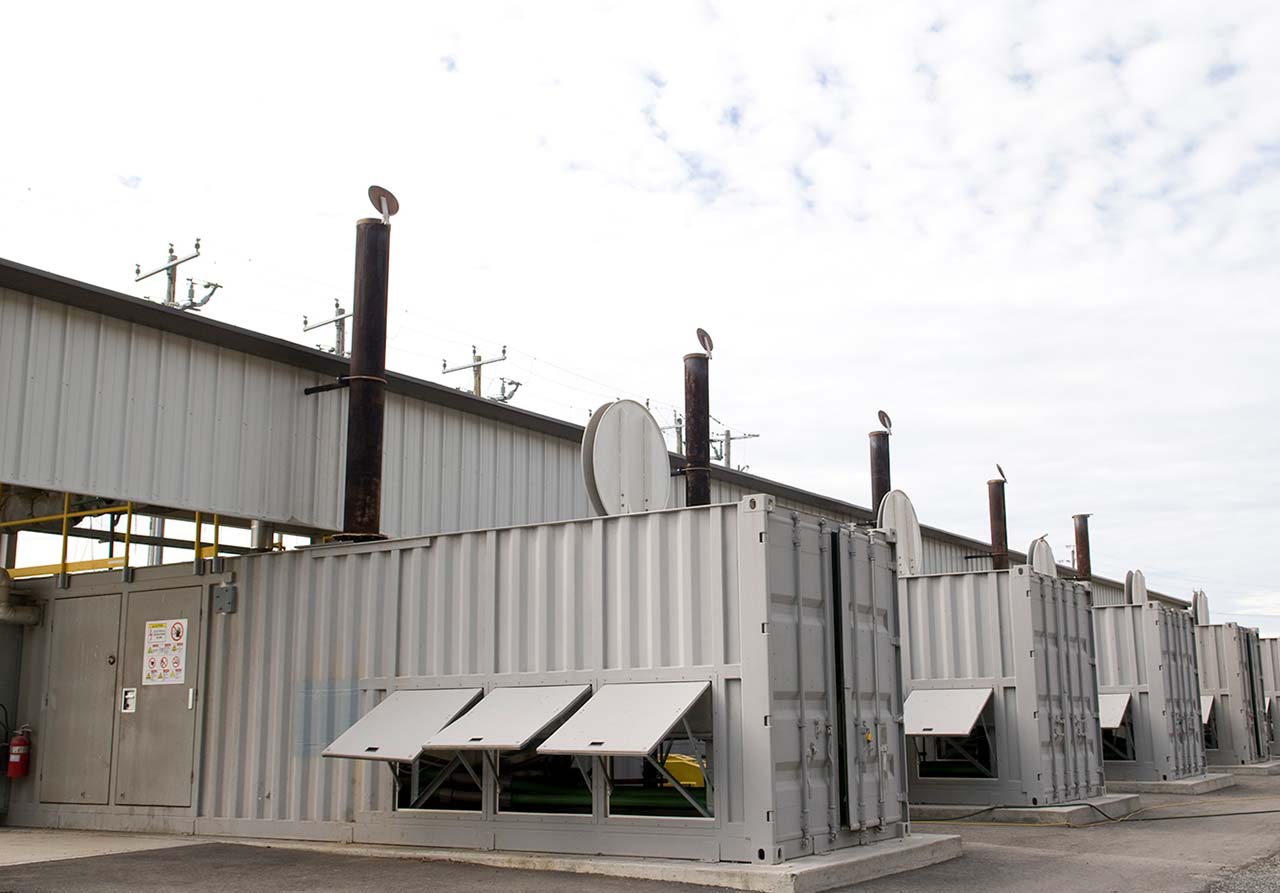
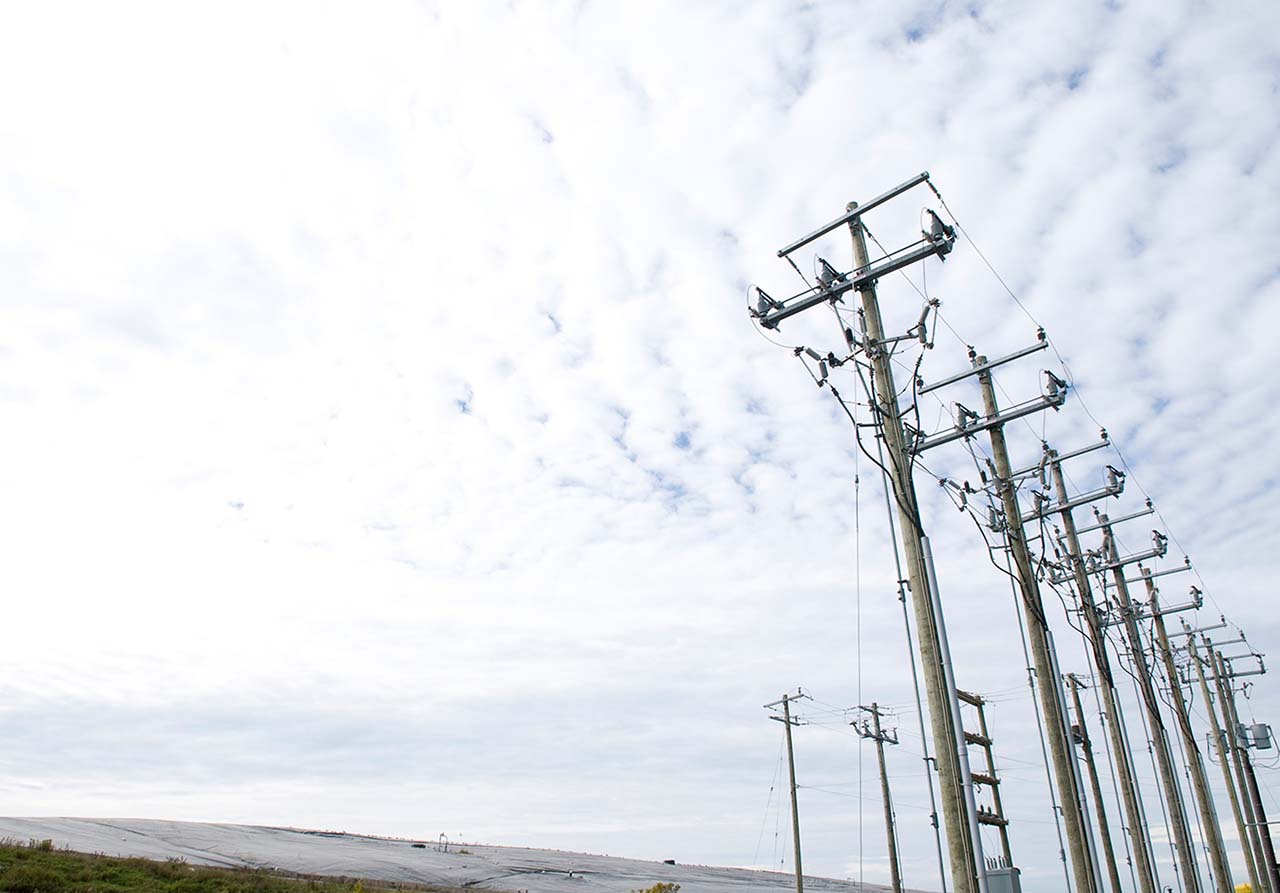
Operating since January 2007, this landfill gas-to-energy station was upgraded in June 2012 with a sixth engine being added to the plant, to make better use of the available landfill gas, increasing the site’s generating capacity to 6 megawatts of renewable electricity. Trail Road generates over 40,000 megawatt-hours of renewable energy each year – producing enough electricity for 6,000 homes and reducing greenhouse gas emissions by up to 180,000 tonnes.
MOOSE CREEK LANDFILL GENERATING FACILITY
Located southeast of Ottawa at the Laflèche Eastern Ontario Waste Handling Facility in Moose Creek, Ontario, Portage Power has a second landfill gas-to-energy facility working to reduce greenhouse gas emissions while producing electricity.
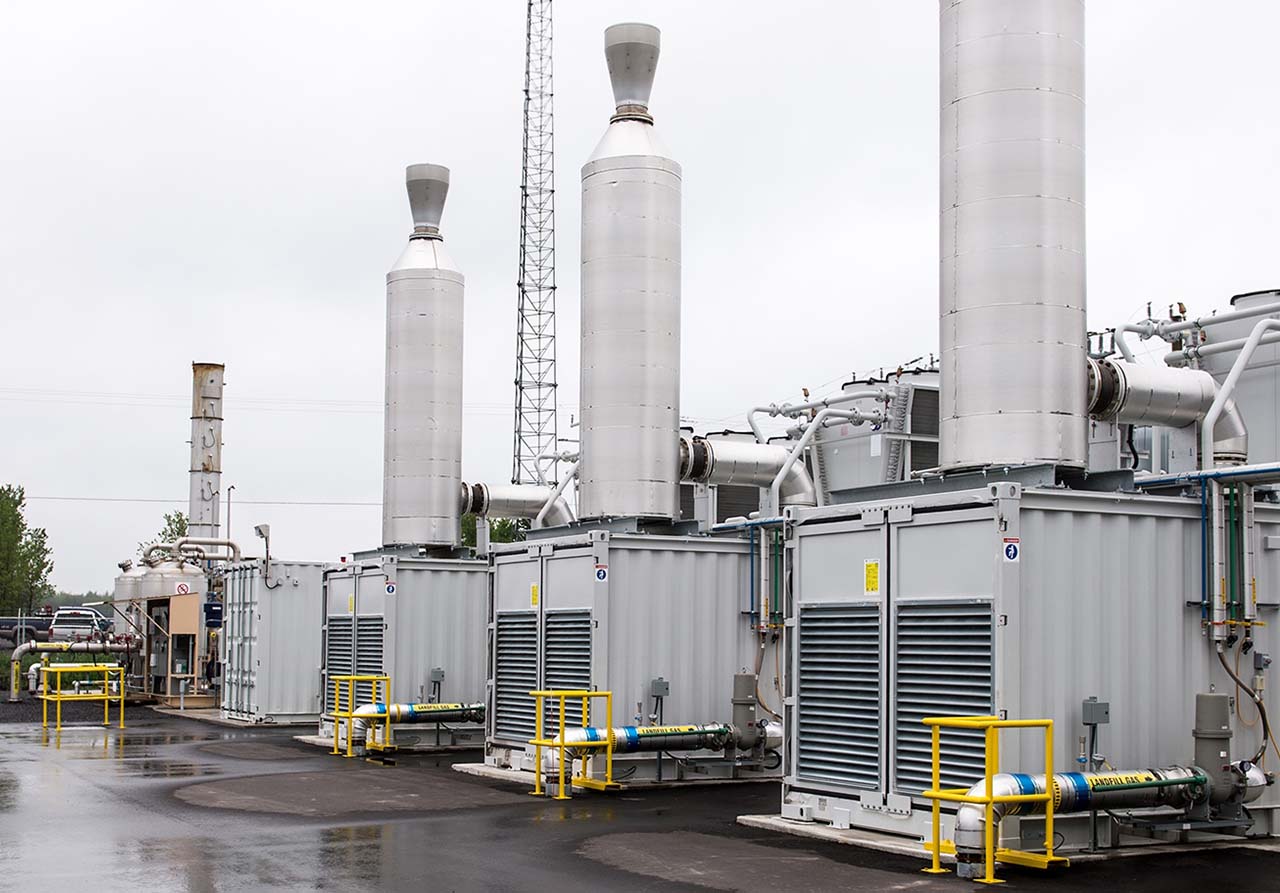
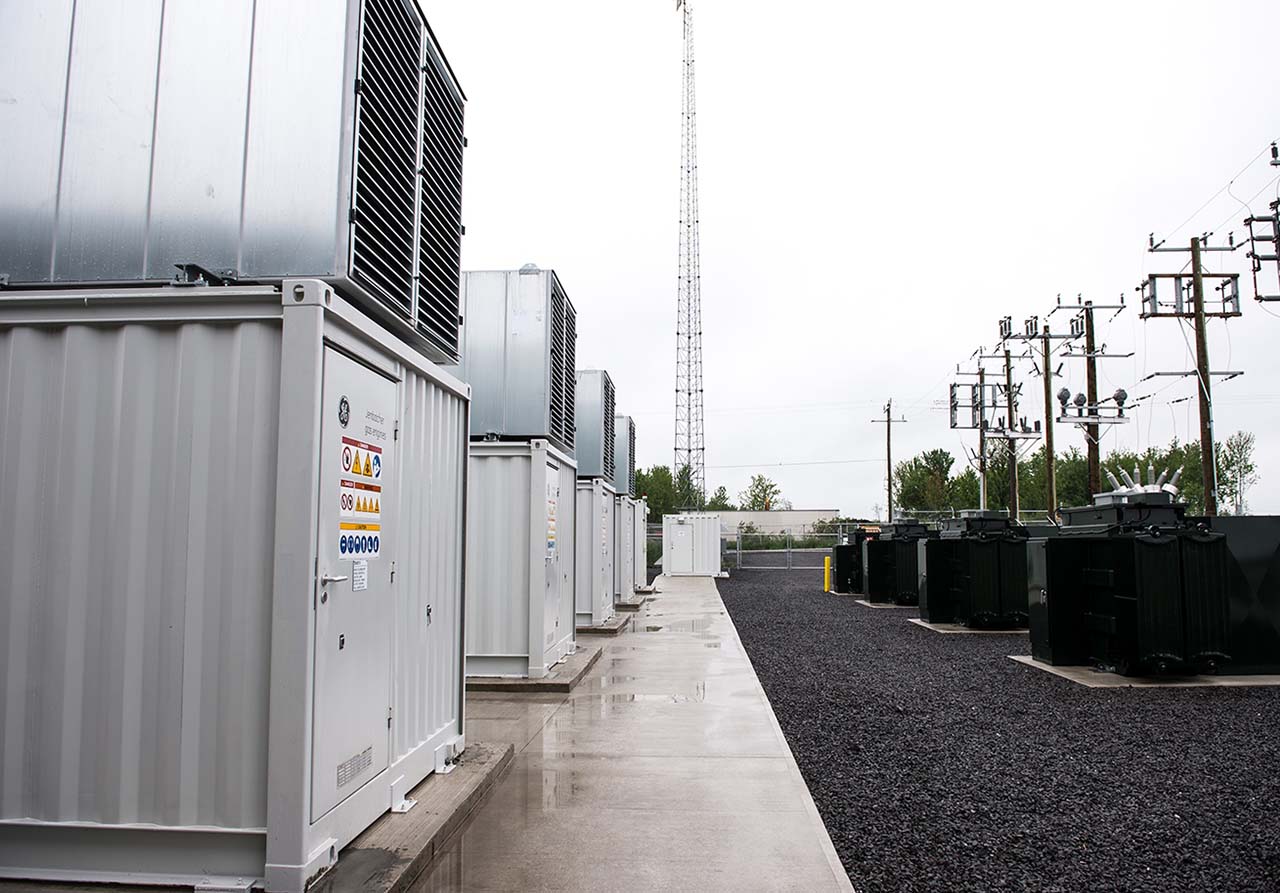
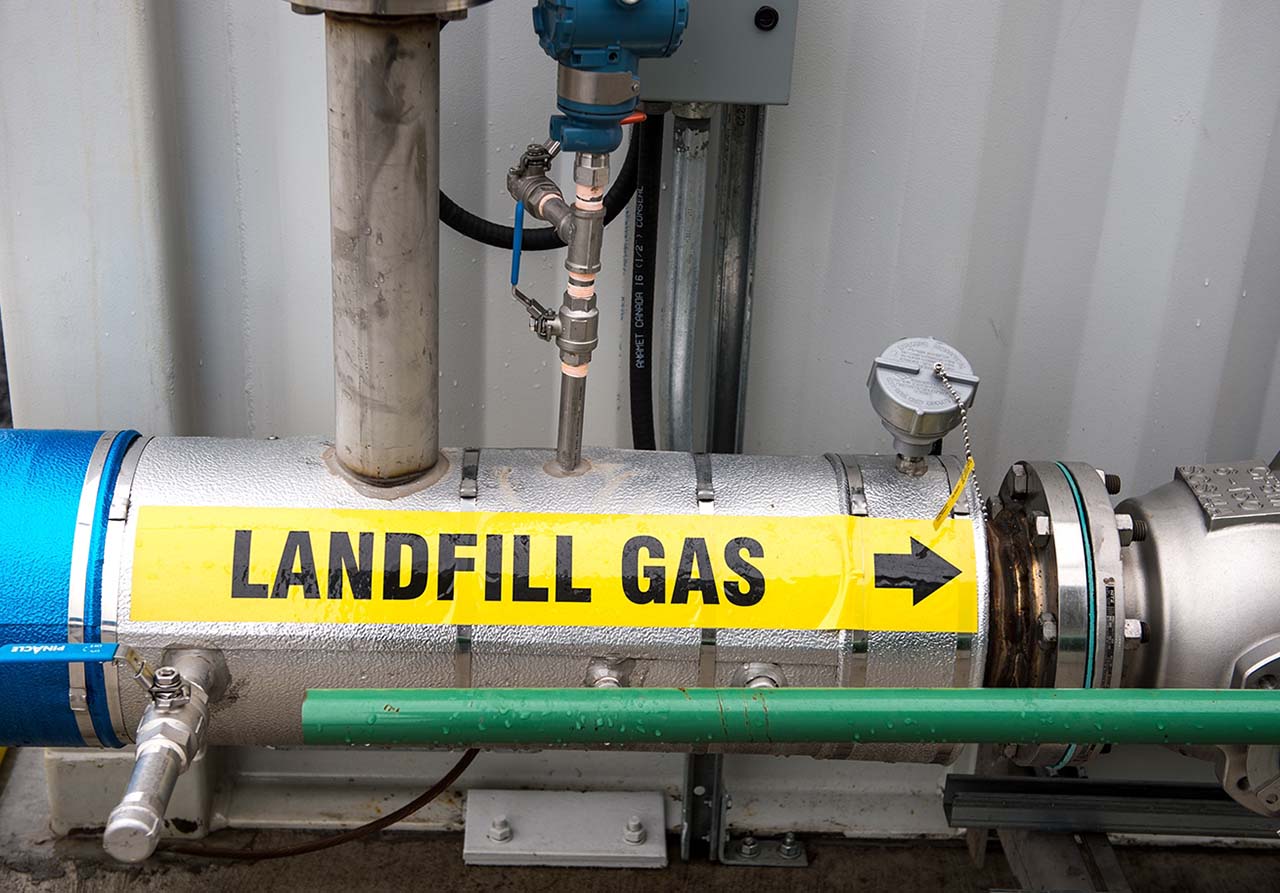
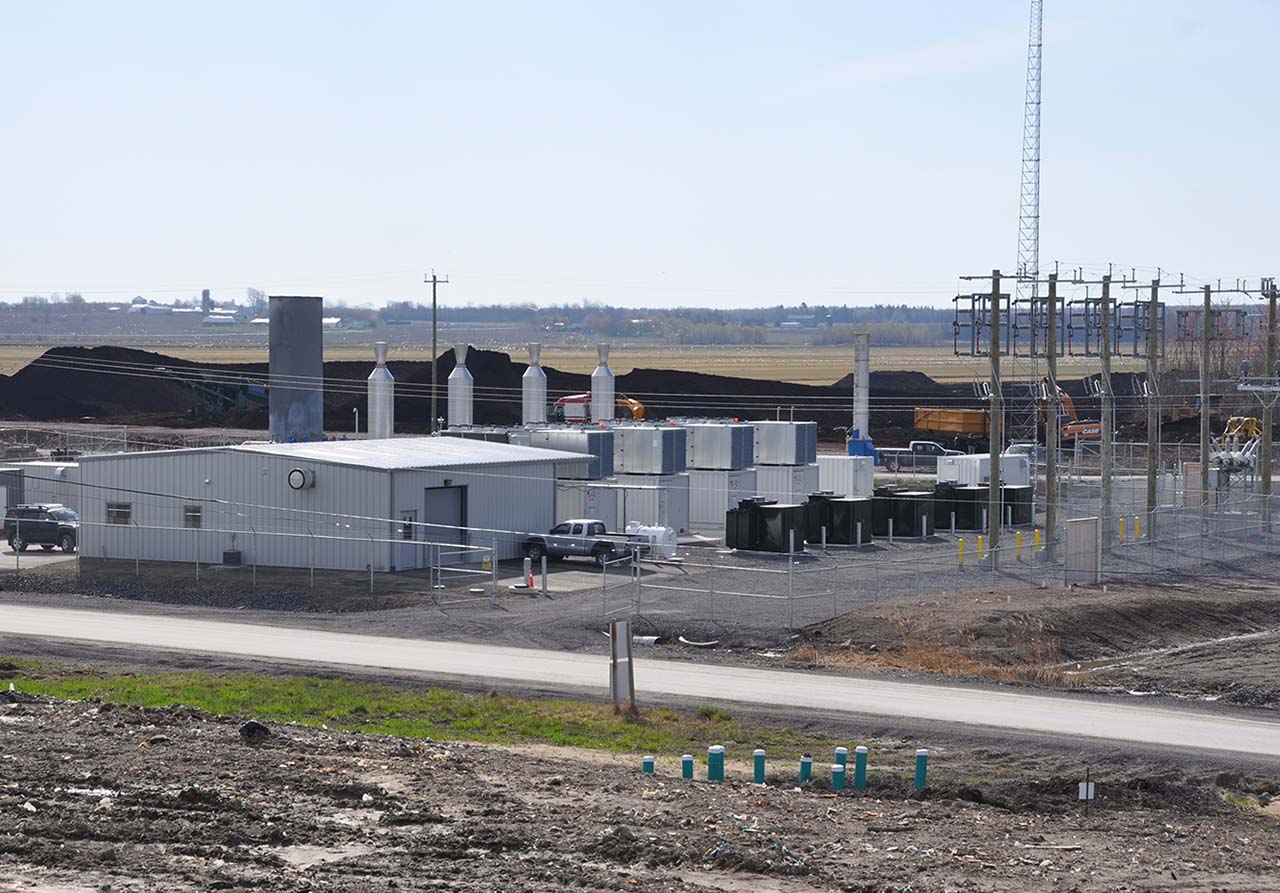
In 2013, Portage Power opened the new 4.2-megawatt landfill gas-to-energy station. Each year, this facility produces enough renewable energy to power 4,000 homes, and divert more than 100,000 tonnes of greenhouse gas emissions from escaping into the atmosphere.

EXPLORE MORE
Learn more about how we’re turning waste into energy, the innovation behind our facilities and the environmental benefits for our communities.
DISCOVER OUR STORIES
Learn more about renewable energy generation, our history and the initiatives shaping a cleaner future.
-

Portage Power brings 39 megawatts of clean, renewable power to Ontario
Acquired by Hydro Ottawa in 2012 and 2016, two hydroelectric stations on the Gatineau side of the Ottawa River at Chaudière Falls have gone...
-

Ten exciting things that you might not know about Chaudière Falls
In Ottawa, Chaudière Falls is a stunning landmark that’s home to several hydroelectric generating stations that help power the province. ...
-
Generating history: Chaudière Falls expansion
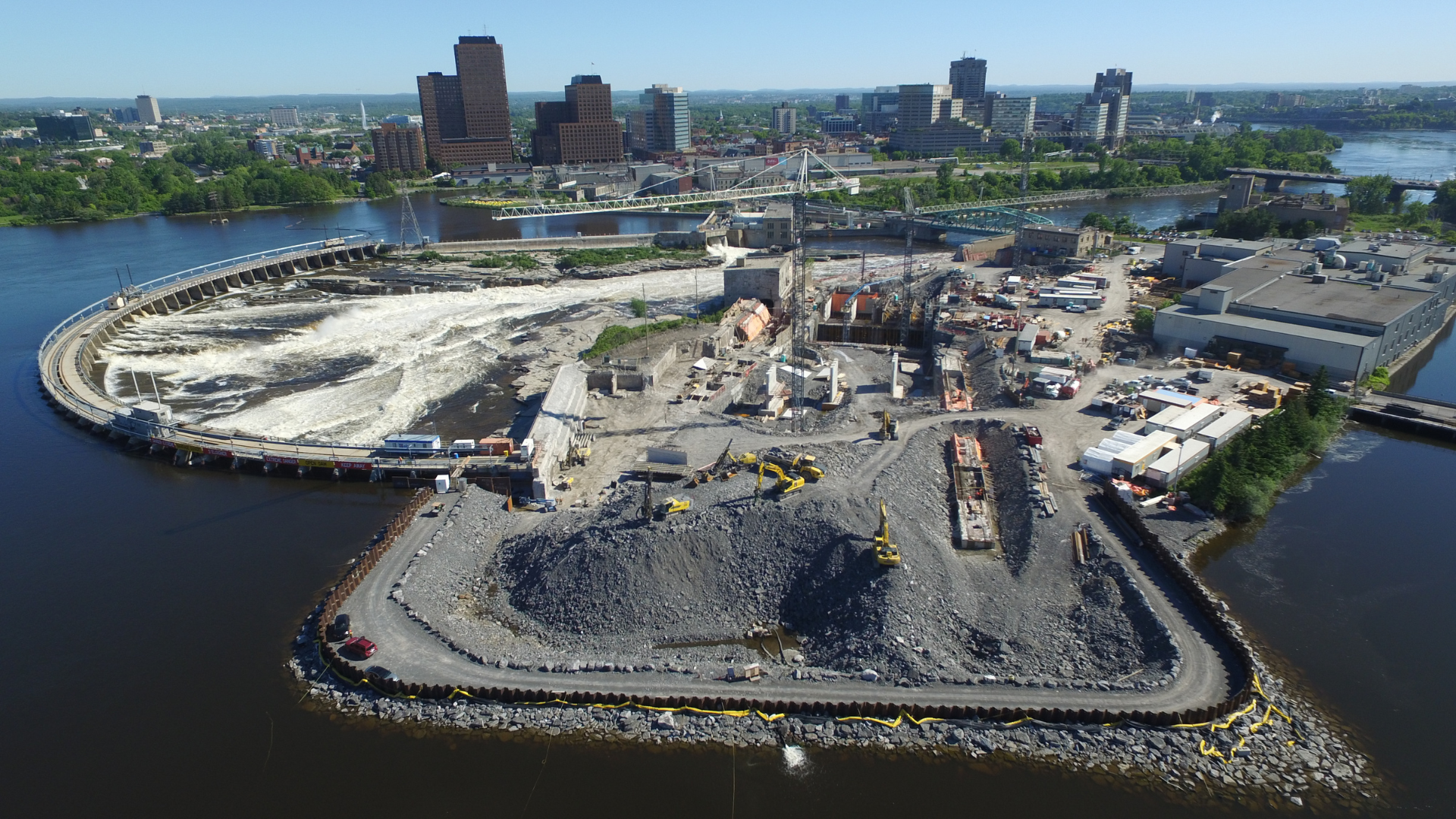
Our vision of the Chaudière Falls expansion project was three-fold: produce clean, renewable energy in an environmentally responsible way; ...